Every second on a production line counts, and every product that moves through represents potential revenue. In these environments, the choices you make can directly impact not only efficiency but also profitability. One area where this is particularly true is in the quality assurance of product packaging. For manufacturers, the choice of leak detection method can significantly impact not only product integrity but also the bottom line. Traditional methods like water immersion and dye penetration are tried and tested, but can come with hidden costs, such as waste, inefficiencies, and labor expenses. Enter non-destructive leak detection: an innovative approach that promises not just better results but a powerful return on investment (ROI).
Why Non-Destructive Leak Detection?
Non-destructive leak detection methods, such as vacuum decay and pressure decay testing, are revolutionizing the way industries assess product packaging. Unlike destructive techniques, these methods allow manufacturers to determine whether a product is properly sealed without causing any damage. This means every tested unit can be put back into circulation, creating a ripple effect of cost savings, improved efficiency, and reduced waste.
Immediate Savings on Product Loss.
With destructive testing, each unit that undergoes testing is essentially sacrificed. This loss adds up, especially for industries dealing with high-value products like pharmaceuticals or specialized medical devices. Non-destructive leak detection changes this equation entirely—every tested unit remains viable for sale. For companies dealing with thousands or even millions of units, the immediate reduction in product waste translates directly into increased profitability.
Reduced Labor Costs and Increased Throughput.
Traditional leak detection methods, such as water immersion or bubble tests, are labor-intensive. They often require manual handling, careful observation, and time-consuming processes like drying. Non-destructive leak detection, particularly when integrated into an automated production line, requires minimal human intervention. Automated vacuum decay systems, for instance, can rapidly test multiple units in a fraction of the time, drastically reducing labor costs while simultaneously increasing throughput.
Lower Consumable Costs and Less Waste.
Another area where non-destructive leak detection improves ROI is by eliminating the need for consumables. Water, dyes, and other materials needed for traditional testing not only incur costs but also lead to environmental disposal issues. By adopting non-destructive methods, companies can reduce these recurring expenses, and the reduction in waste also contributes to sustainability goals, a benefit that can enhance brand image in a market increasingly focused on eco-friendly practices.
Ensuring Quality and Protecting Your Brand.
Reliability in leak detection is essential for safeguarding both product quality and brand reputation. When defective products reach customers, the consequences can be costly: recalls, legal liabilities, and long-lasting harm to brand image. Non-destructive methods like vacuum decay testing offer a level of precision that traditional methods often fail to achieve, identifying even the smallest leaks before products leave the factory. By ensuring that only defect-free products reach the market, companies can avoid costly recalls, maintain customer trust, and strengthen their reputation for delivering high-quality products.
Real-Life Example: Calculating the ROI.
Consider a beverage manufacturer that switched from traditional water immersion testing to non-destructive vacuum decay testing. Previously, they were losing a significant percentage of units in testing, not only the direct cost of wasted product but also the indirect costs related to downtime and labor. With the adoption of vacuum decay, not only were the tested units preserved, but the process also became fully integrated into an automated line, eliminating bottlenecks and enhancing overall efficiency.
In the first year, the company reported a 30% reduction in testing-related product losses, and labor costs associated with quality checks were cut in half. The increased throughput allowed for greater production capacity, ultimately boosting revenue. The ROI from switching to non-destructive leak detection wasn’t just measurable in dollars saved; it was also evident in smoother operations, increased employee productivity, and a stronger market reputation.
The Bigger Picture: Sustainability and Long-Term Gains.
Beyond the immediate financial returns, switching to non-destructive leak detection contributes to long-term strategic gains. By reducing waste and enhancing efficiency, manufacturers align themselves with sustainability initiatives that are increasingly important to consumers and regulatory bodies alike. Moreover, the cost savings generated can be reinvested into other areas of production or innovation, creating a cycle of continuous improvement.
Make the Switch for Lasting Benefits.
Switching to non-destructive leak detection isn't just a short-term cost-saving measure; it's a strategic decision that sets the stage for continuous efficiency, reliability, and growth. With reduced product loss, lower labor and consumable costs, and the benefits of automation, it’s clear that non-destructive leak detection is more than just a quality control upgrade, it’s a strategic investment in the future of your business.
If you're ready to transform your testing processes and boost profitability, now might be the perfect time to make the switch to non-destructive leak detection. It’s an investment in efficiency, sustainability, and, ultimately, your company's success.
Share this post

Still not sure?
Let’s get in touch.
Thank you for your submission!

Explore More Resources
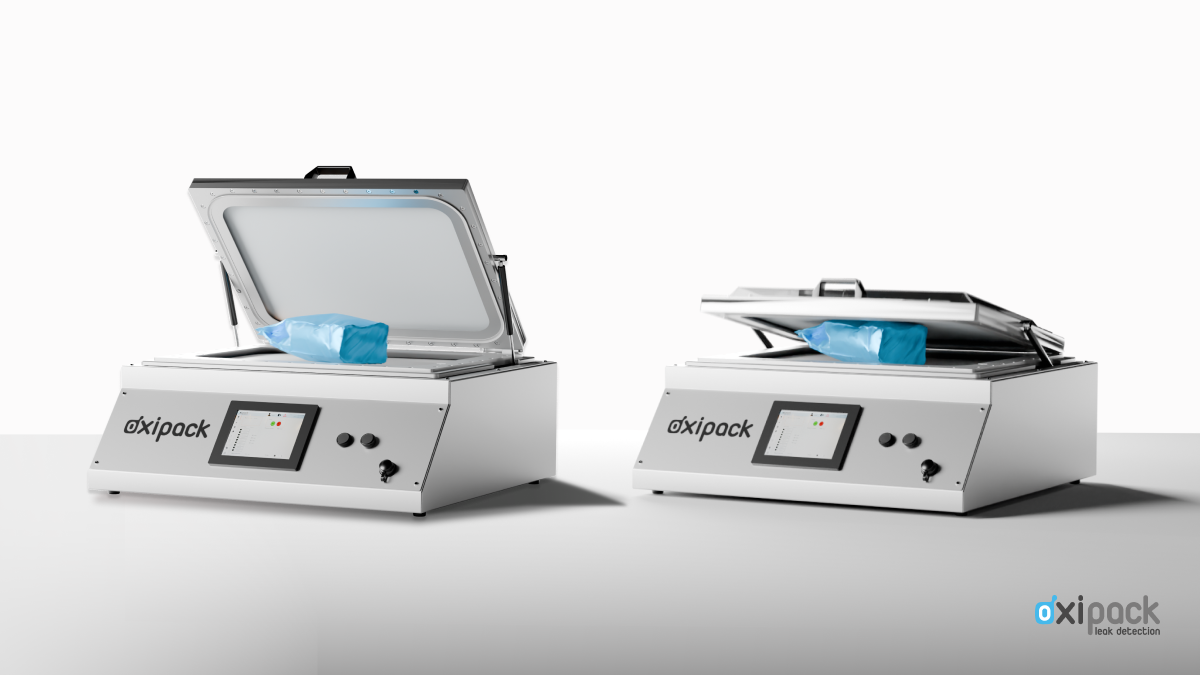
Ensuring Compliance with Vacuum Decay Testing in Packaging
As packaging regulations become increasingly stringent, manufacturers need reliable ways to prove product integrity and maintain compliance. This article explores how vacuum decay testing supports regulatory requirements through precise, non-destructive leak detection, automated documentation, traceability, and real-time quality control.
Scaling Production While Saving Costs
Scaling production can strain quality and costs, especially with outdated leak detection methods. This article explores how non-destructive testing like vacuum and pressure decay helps manufacturers reduce waste, streamline operations, and scale efficiently. Scaling production doesn’t have to mean sacrificing quality or increasing waste. Discover how non-destructive leak detection helps manufacturers grow smarter.
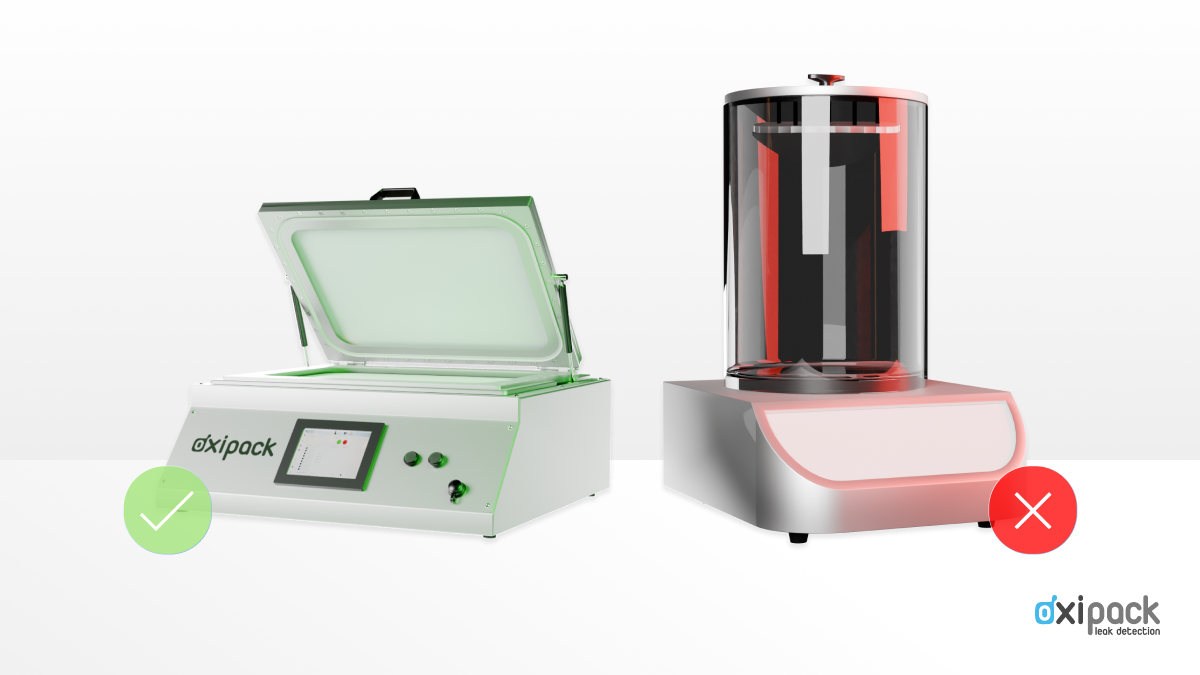
Why Bubble Testing Is Outdated: The Advantages of Vacuum Decay
Bubble testing is slow, wasteful, and outdated. Discover how vacuum decay offers a faster, cleaner, and more precise solution for leak detection in modern manufacturing.