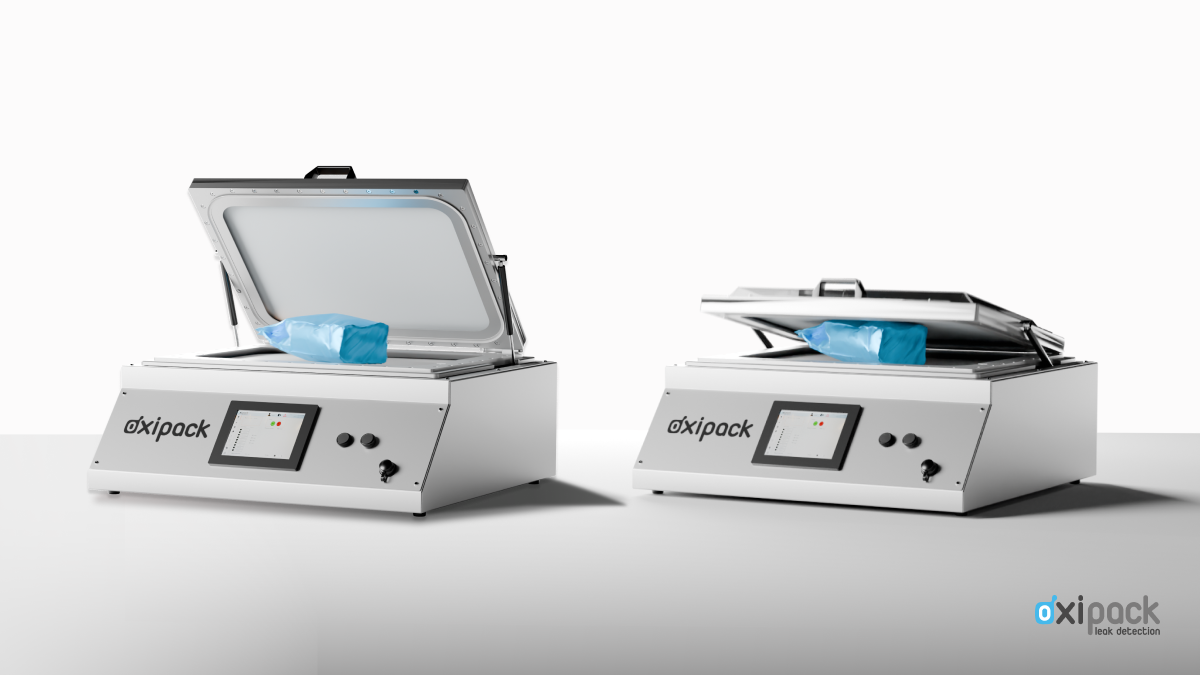
Did you know that product recalls cost companies billions of dollars annually, with packaging integrity failures being one of the primary culprits? In the pharmaceutical, food, and medical device industries, even a tiny leak in packaging can lead to contamination, recalls, and serious health risks. Packaging is not just about holding a product; it’s a critical barrier that ensures safety, quality, and regulatory compliance. In an increasingly regulated world, manufacturers must turn to the best tools available to ensure their packaging is up to standard, and vacuum decay testing is leading the way. This whitepaper explores how vacuum decay testing can help ensure packaging compliance, reduce risks, and maintain high standards of quality.
The Importance of Leak Detection in Compliance
Leak detection is at the heart of compliance in many industries. Regulatory bodies such as the FDA, EMA, and ISO have stringent guidelines for packaging integrity, particularly when it comes to products that must remain sterile or tamper-proof. Failure to ensure proper packaging integrity can result in product recalls, legal liabilities, and damage to brand reputation.
Vacuum decay testing has emerged as a leading method for leak detection, providing manufacturers with a reliable, non-destructive means to assess packaging integrity. Unlike older methods like water immersion or dyeingress testing, vacuum decay is highly precise, automated, and non-invasive, making it an ideal choice for manufacturers looking to meet regulatory requirements efficiently.
Leak detection is not just a regulatory necessity; it plays a vital role in protecting product quality and consumer safety. In the pharmaceutical industry, even a minor breach in packaging can lead to contamination, making the product ineffective or dangerous. For food manufacturers, compromised packaging can cause spoilage, resulting in recalls and significant waste. In the medical device sector, improperly sealed packaging can lead to safety failures, putting patients' health at risk.
How Vacuum Decay Testing Works
Vacuum decay testing works by placing a sealed package in a vacuum chamber and measuring changes in pressure over time. If there’s a leak, even a minute one, the pressure within the chamber will change, allowing the system to identify compromised packages. This non-destructive approach means that the tested product can still be sold, which is particularly important for high-value items.
The simplicity and accuracy of vacuum decay testing make it a preferred choice for ensuring compliance. By automating the process, manufacturers can achieve consistent, repeatable results that meet the high standards set by regulatory bodies worldwide. This precision is key to avoiding compliance issues that can lead to costly recalls or legal consequences.
Another key advantage of vacuum decay testing is its versatility. The technology can be applied to a wide range of packaging types, including flexible packaging, blister packs, pouches, and rigid containers. This flexibility makes it suitable for use across multiple industries, providing a one-size-fits-all solution for leak detection. Moreover, vacuum decay testing is capable of identifying even the smallest micro-leaks that other methods may miss, making it one of the most reliable technologies available for ensuring product integrity.
Meeting Regulatory Standards
Regulatory agencies have set high expectations for packaging integrity, particularly for products that must maintain sterility or tamper evidence. Vacuum decay testing is specifically recommended in many industry guidelines for its reliability and accuracy. The FDA and other bodies have recognised vacuum decay as a suitable method for detecting leaks in pharmaceutical and food packaging, providing confidence that this method meets stringent safety and quality requirements.
Compliance doesn’t just mean ticking a box; it means ensuring that every product reaching the consumer is safe, effective, and protected from contamination. Vacuum decay’s ability to detect even the smallest leaks ensures that manufacturers remain compliant with the most rigorous standards. It also helps prevent issues before they arise, which is vital for maintaining both product quality and regulatory compliance.
One of the key reasons why vacuum decay testing is so highly regarded is its ability to produce quantifiable and consistent results. Unlike subjective methods that rely on human interpretation, such as visual bubble detection, vacuum decay testing is fully quantifiable. This is important for regulatory compliance, as it provides verifiable evidence of packaging integrity that can be documented and reviewed during audits. Regulators require objective data to confirm that manufacturers are meeting quality standards, and vacuum decay testing delivers precisely that.
Furthermore, vacuum decay testing is capable of being integrated into real-time monitoring systems. With advancements in Industry 4.0 and smart manufacturing, companies are increasingly moving toward systems that allow for continuous monitoring of production processes. Vacuum decay technology can be incorporated into these smart systems, providing instant data that can be analysed to ensure compliance. This real-time feedback allows manufacturers to address potential issues immediately, thereby avoiding costly errors and ensuring that only compliant products leave the production line.
Advantages of Vacuum Decay for Compliance
- Non-Destructive Testing: Unlike traditional leak detection methods, vacuum decay is non-destructive. This means manufacturers can test packaging without damaging it, allowing tested products to still be sold, reducing waste, and improving cost efficiency. Non-destructive testing is particularly important for industries dealing with expensive or sensitive products, such as biological pharmaceuticals or medical implants, where every unit counts.
- Automation and Repeatability: Vacuum decay testing can be fully automated, which helps manufacturers achieve the repeatability and consistency required for compliance. Automated systems reduce the variability that comes with manual testing, ensuring reliable results that are essential for regulatory approval. Automation also reduces labour costs, freeing up workers to focus on higher-value tasks and allowing manufacturers to operate more efficiently.
- High Sensitivity: Vacuum decay testing is capable of detecting even the smallest leaks, which is critical in industries like pharmaceuticals, where the slightest compromise can affect sterility or product efficacy. This level of sensitivity helps manufacturers meet and exceed the expectations of regulatory bodies. High sensitivity is particularly important in applications such as vaccine vials, where even a tiny leak can lead to contamination and reduce the effectiveness of the product.
- Documentation and Traceability: Compliance often requires detailed documentation and traceability. Vacuum decay testing systems can automatically generate reports that document testing conditions, results, and any anomalies detected. This data is invaluable during audits or regulatory reviews, providing clear evidence of quality control. The ability to produce detailed records that demonstrate adherence to quality protocols is crucial for manufacturers operating in highly regulated industries.
- Reduction in Product Recalls: By detecting leaks early in the production process, vacuum decay testing can help prevent defective products from reaching the market. This reduces the risk of costly recalls, which not only have a financial impact but can also damage brand reputation. Recalls are particularly damaging in industries like pharmaceuticals, where consumer trust is paramount. Ensuring that each product is thoroughly tested before it reaches the market can save manufacturers millions of dollars in recall costs and protect their brand image.
- Adaptability to Different Packaging Types: Vacuum decay technology can be used on a wide range of packaging formats, from rigid containers to flexible pouches. This adaptability makes it an ideal solution for manufacturers with diverse product lines. It also simplifies the leak detection process, as one type of testing equipment can be used for multiple packaging formats, reducing the need for specialised equipment and further cutting costs.
Real-World Applications and Compliance Success
Consider a pharmaceutical company tasked with ensuring the integrity of sterile vials. Using traditional leak detection methods posed challenges, including product waste and inconsistent results. By switching to vacuum decay testing, the company was able to achieve consistent, repeatable results that met FDA guidelines without sacrificing valuable product.
The switch not only ensured regulatory compliance but also improved operational efficiency by reducing waste and labour costs. The pharmaceutical company was able to reallocate resources that were previously used for manual testing to other areas of production, enhancing overall productivity. This shift allowed them to meet growing demand without compromising on quality or compliance.
Similarly, food manufacturers who adopted vacuum decay testing found it easier to comply with stringent packaging regulations while also improving their sustainability profiles by minimising waste. One major food company that switched to vacuum decay testing saw a 25% reduction in product waste and was able to decrease its water usage significantly. This not only helped them comply with environmental regulations but also improved their brand reputation among eco-conscious consumers.
In the medical device industry, vacuum decay testing has been instrumental in ensuring the integrity of sterile packaging. Medical devices must remain free from contaminants to ensure patient safety, and even the smallest leak can compromise the entire product. By implementing vacuum decay testing, manufacturers have been able to maintain stringent quality standards, reduce waste, and avoid costly recalls that could arise from non-compliant products.
Staying Ahead with Vacuum Decay
In an era of increased regulatory scrutiny and consumer demand for safe, high-quality products, manufacturers must ensure their packaging processes are beyond reproach. Vacuum decay testing provides the precision, reliability, and efficiency needed to meet regulatory demands while reducing costs and improving sustainability.
By investing in vacuum decay technology, manufacturers can stay ahead of evolving regulatory standards, avoid the pitfalls of non-compliance, and ensure that every product reaching consumers meets the highest standards of quality and safety. This proactive approach to compliance not only minimises risk but also positions companies as leaders in their respective industries.
The adoption of vacuum decay testing also supports broader business objectives, such as sustainability and lean manufacturing. By reducing waste, minimising resource consumption, and improving process efficiency, vacuum decay testing aligns with global trends toward greener, more sustainable production practices. This alignment is increasingly important as consumers and regulators push for more responsible manufacturing processes. Companies that adopt such technologies not only ensure compliance but also enhance their appeal to a growing segment of environmentally conscious customers.
The Compliance Advantage of Vacuum Decay
Ensuring compliance in packaging is about more than just meeting standards; it’s about building consumer trust, maintaining product quality, and protecting brand reputation. Vacuum decay testing offers a proven, reliable solution that helps manufacturers meet regulatory requirements while also reducing waste and improving efficiency. For any company focused on compliance, quality, and operational excellence, vacuum decay testing is an essential tool for the future of packaging integrity.
In a landscape where regulations are continually evolving, adopting cutting-edge technology like vacuum decay ensures you are not only compliant today but also prepared for the challenges of tomorrow. Embrace vacuum decay, and take the next step towards a more reliable, compliant, and cost-effective packaging process.
By incorporating vacuum decay testing, manufacturers are empowered to deliver high-quality products consistently, mitigate risks associated with recalls, and enhance their reputation for reliability and safety. This holistic approach to compliance, quality, and efficiency ultimately leads to a stronger brand presence, greater market share, and sustained growth in an increasingly competitive market. The choice to implement vacuum decay is not just about compliance; it’s a strategic decision that will define the future of manufacturing excellence.
Share this post

Still not sure?
Let’s get in touch.
Thank you for your submission!

Explore More Resources

The ROI of Switching to Non-Destructive Leak Detection
Traditional leak testing methods create hidden costs through product loss, labor intensity, and consumable waste. Explore how non-destructive leak detection, including vacuum and pressure decay, delivers measurable ROI by preserving products, increasing throughput, reducing operational costs, and supporting long-term sustainability goals.

Scaling Production While Saving Costs
Scaling production can strain quality and costs, especially with outdated leak detection methods. This article explores how non-destructive testing like vacuum and pressure decay helps manufacturers reduce waste, streamline operations, and scale efficiently. Scaling production doesn’t have to mean sacrificing quality or increasing waste. Discover how non-destructive leak detection helps manufacturers grow smarter.
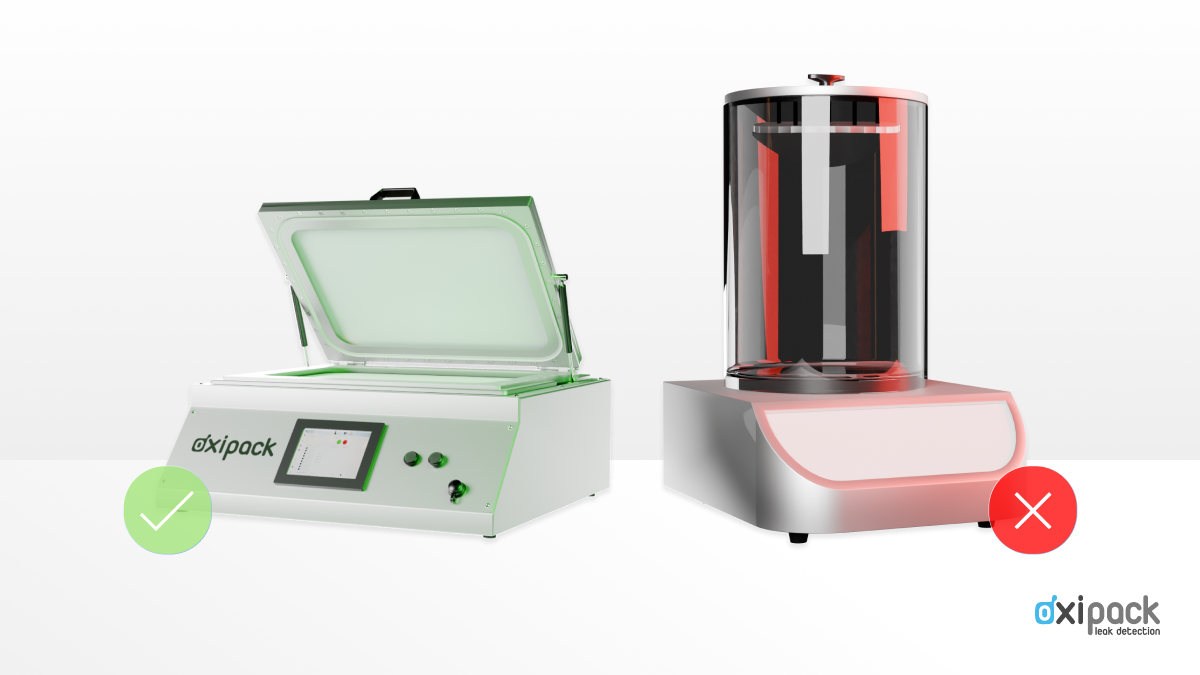
Why Bubble Testing Is Outdated: The Advantages of Vacuum Decay
Bubble testing is slow, wasteful, and outdated. Discover how vacuum decay offers a faster, cleaner, and more precise solution for leak detection in modern manufacturing.