
Vial leak testing is a critical quality control procedure in the pharmaceutical industry. It safeguards patient safety by detecting and quantifying leaks in vials used to store liquid or powder medications. Leak-proof vials are essential to prevent contamination, ensuring the potency and efficacy of pharmaceutical products.
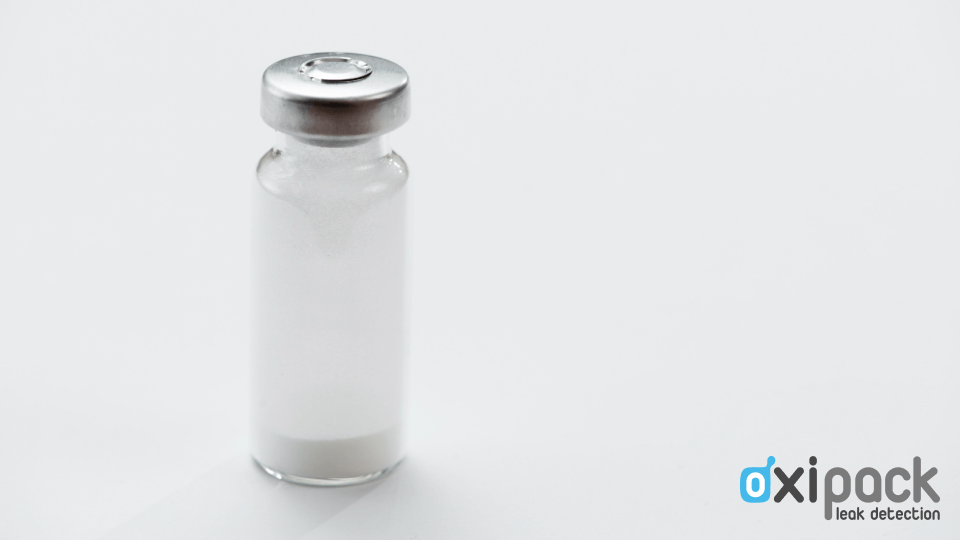
How Does Vial Leak Testing Work?
The most common method for vial leak testing is the vacuum decay method. This method involves placing a vial inside a chamber and creating a vacuum. The tester then measures the rate at which the vacuum decays. A high decay rate indicates a leak in the vial.
Leak Testers for Vials
Leak testers are specialized instruments used to perform vial leak tests. They range from simple manual devices to automated systems. Typically, a leak tester consists of a vacuum pump, pressure sensor, and control system. The control system regulates the vacuum and measures the decay rate.
Oxipack's Container Closure Integrity Tester (CCIT)
Our CCIT utilizes the vacuum decay method to ensure the integrity of vials and other pharmaceutical containers. This method is widely accepted and adheres to pharmaceutical industry regulations established by organizations like USP and EP.
Importance of Vial Leak Testing
Vial leak testing offers several crucial benefits:
- Patient Safety: Leak-free vials prevent contamination, safeguarding patients from harmful substances.
- Product Quality: Leak testing ensures the potency and effectiveness of medications throughout their shelf life.
- Regulatory Compliance: Vial leak testing adheres to pharmaceutical industry standards.
Vial leak testing is an essential safeguard in the pharmaceutical industry. By implementing reliable leak detection solutions, manufacturers can ensure the safety and integrity of their medications, ultimately protecting patient health.
Do you have questions about vial leak testing? Contact US today to learn more about our CCIT solutions and how we can help you ensure the quality and safety of your pharmaceutical products.
Share this post

Still not sure?
Let’s get in touch.
Thank you for your submission!

Explore More Resources

Scaling Production While Saving Costs
Scaling production can strain quality and costs, especially with outdated leak detection methods. This article explores how non-destructive testing like vacuum and pressure decay helps manufacturers reduce waste, streamline operations, and scale efficiently. Scaling production doesn’t have to mean sacrificing quality or increasing waste. Discover how non-destructive leak detection helps manufacturers grow smarter.
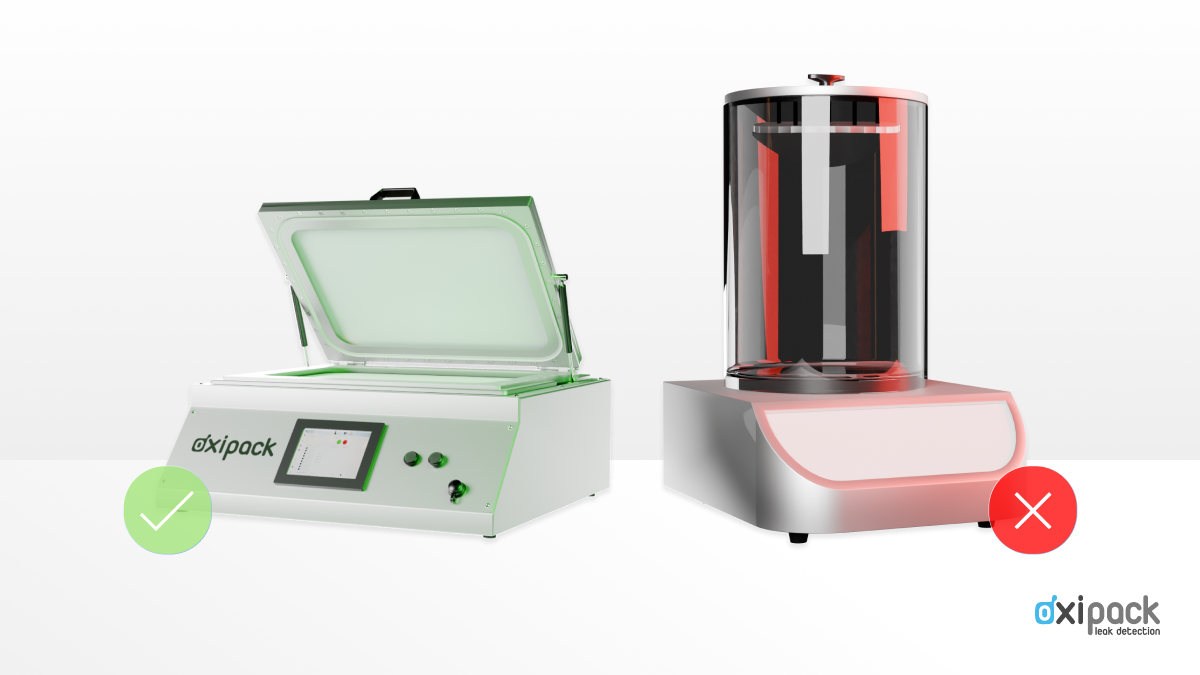
Why Bubble Testing Is Outdated: The Advantages of Vacuum Decay
Bubble testing is slow, wasteful, and outdated. Discover how vacuum decay offers a faster, cleaner, and more precise solution for leak detection in modern manufacturing.
Zero Tolerance for Leaks: Next-Gen Detection for Eye Droppers and Dropper Jars
Eye droppers and dropper jars are essential for delivering precise medication dosages, particularly in ophthalmic and topical applications.