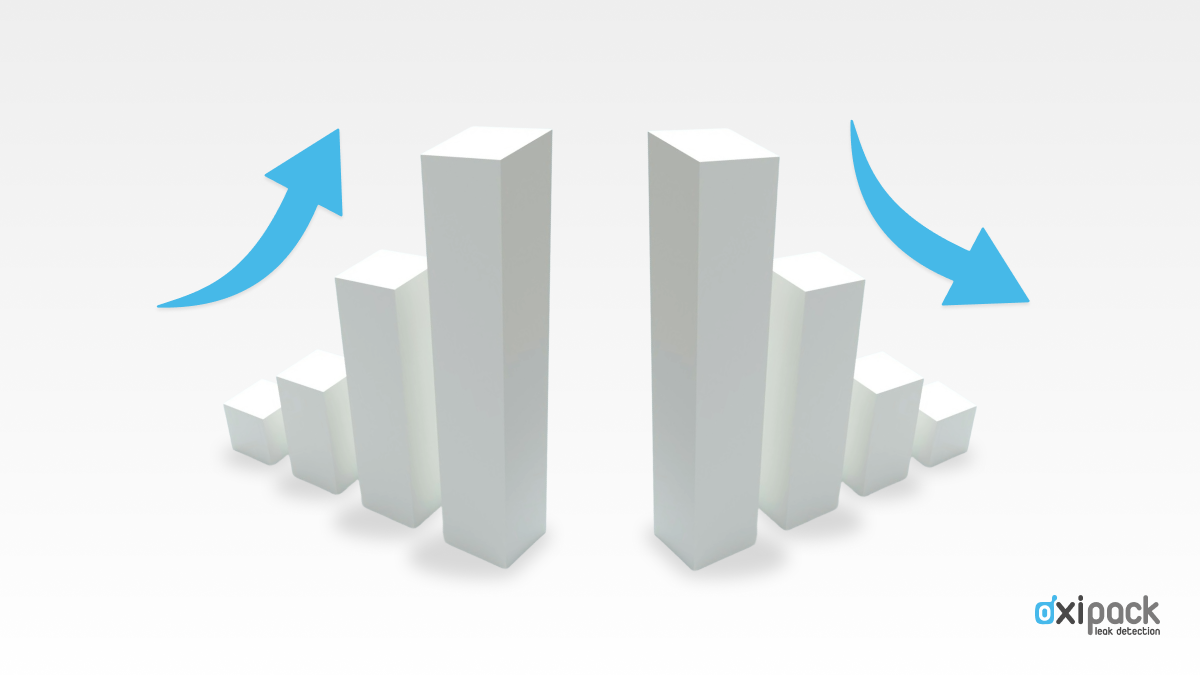
Scaling production is an exciting yet challenging endeavor for any manufacturer. With growth comes the promise of increased revenue, but also the challenge of maintaining quality, efficiency, and cost-effectiveness. One often overlooked aspect of this journey is leak detection and how the choice of method can significantly influence production scalability. Non-destructive leak detection methods, such as vacuum decay and pressure decay testing, are transforming the landscape for manufacturers looking to scale up while keeping costs down.
The Cost of Scaling with Traditional Methods
How can manufacturers maintain consistent product quality as production scales up? Traditional leak detection methods like water immersion or bubble testing come with significant downsides—chief among them, the waste of tested products. These destructive methods mean that every unit subjected to quality testing is lost, which translates to an escalating cost as production grows.
Scaling production also means more hands on deck. Traditional methods often require manual handling and observation, which quickly becomes inefficient and expensive as production volumes increase. Labor costs can skyrocket, and the risk of human error rises, affecting both quality and throughput. For manufacturers looking to scale effectively, these inefficiencies present a serious roadblock.
Non-Destructive Leak Detection: A Game Changer for Scaling
Non-destructive leak detection offers a powerful solution to these challenges. Unlike traditional methods, vacuum decay and pressure decay testing do not compromise the product during testing, allowing every unit to be preserved for sale. This alone represents an enormous cost saving, especially in high-volume production settings where product waste can quickly add up.
Moreover, non-destructive methods integrate seamlessly into automated production lines, making them perfect for scaling. Automation minimizes the need for manual labor, reduces human error, and accelerates the entire process—allowing manufacturers to achieve higher throughput withoutsacrificing quality. With non-destructive leak detection, companies can scale their operations efficiently, maintain consistent product integrity, and keep costs under control.
Achieving Efficiency and Cost Savings Simultaneously
The true advantage of non-destructive leak detection lies in its ability to enhance both efficiency and cost-effectiveness simultaneously. Automated vacuum decay systems can test multiple units in a fraction of the time required for traditional methods, freeing up resources and accelerating production timelines. This efficiency is key to scaling production without encountering bottlenecks that could hamper growth.
Additionally, non-destructive methods eliminate the need for consumables such as water and dyes, which are not only costly but also require careful disposal. By reducing these consumable costs, manufacturers can save substantial amounts, which directly impacts the bottom line. Plus, the reduced environmental impact is an added bonus—aligning with sustainability initiatives that resonate with both regulators and consumers.
Real-World Success: Scaling Without Sacrifice
Take, for example, a medical device manufacturer that transitioned from dye ingress testing to non-destructive pressure decay testing as they prepared to scale production. Before the switch, they faced high product losses and labor-intensive testing processes, which limited their ability to increase output without a significant cost increase. By adoptingnon-destructive leak detection, they were able to maintain product qualitywhile scaling their production capacity.
The result? Product waste was reduced by 40%, labor costs associated with leak testing dropped significantly, and they were able to integrate the testing seamlessly into an automated production line. This not only allowed them to meet growing demand but also improved their overall profitability, proving that scaling doesn’t have to mean sacrificing efficiency or quality.
The Bigger Picture: Long-Term Growth and Sustainability
Scaling production goes beyond just boosting today's output—it’s about creating a resilient and sustainable foundation for long-term success. Non-destructive leak detection supports this by reducing waste, improving efficiency, and ensuring product quality. These factors contribute to long-term growth by making operations leaner, more sustainable, and more responsive to market demands.
Moreover, by investing in technologies that enhance sustainability, manufacturers can strengthen their brand reputation and appeal to eco-conscious consumers. Non-destructive methods help companies meet regulatory requirements and align with industry best practices for waste reduction, all while scaling production.
The Smart Path to Scaling
Scaling production while saving costs might seem like an impossible task, but with the right tools, it becomes an achievable goal. Non-destructive leak detection is one such tool—a technology that not only ensures product integrity but also drives cost savings, efficiency, and scalability. By integrating non-destructive testing into production lines, manufacturers can grow confidently, knowing that they are maximizing output while minimizing waste.
If your business is on the cusp of scaling up, consider non-destructive leak detection as a cornerstone of your growth strategy. It's a smart investment in quality, efficiency, and the future success of your operations.
Share this post

Still not sure?
Let’s get in touch.
Thank you for your submission!

Explore More Resources
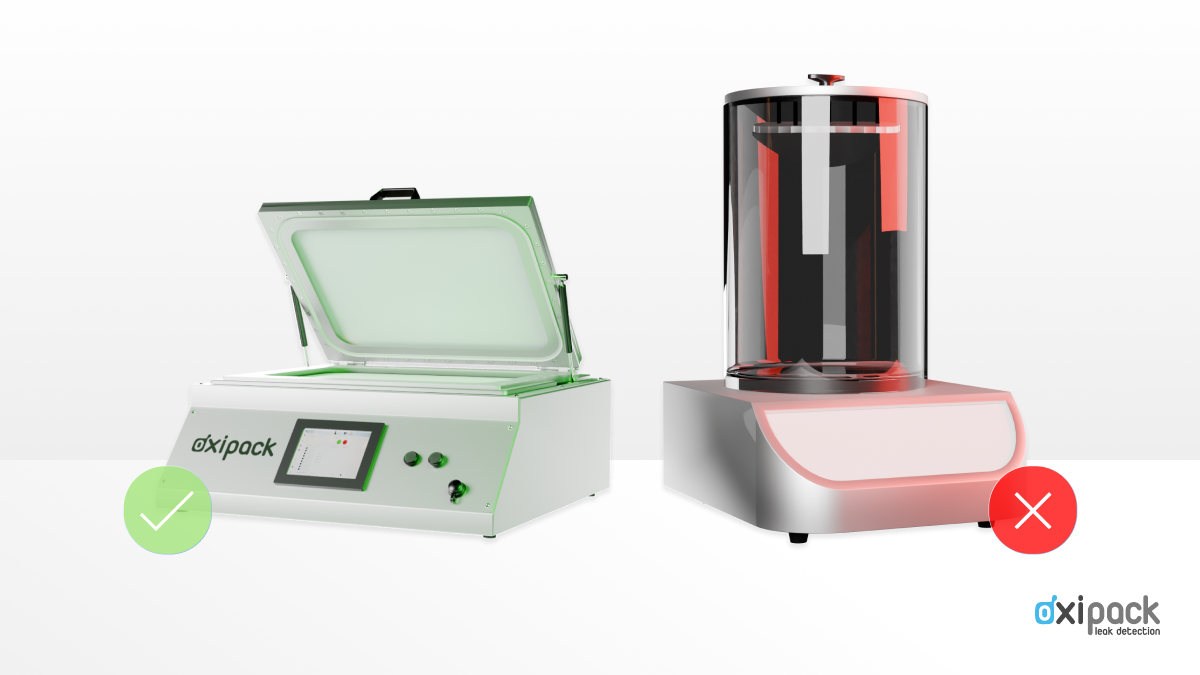
Why Bubble Testing Is Outdated: The Advantages of Vacuum Decay
Bubble testing is slow, wasteful, and outdated. Discover how vacuum decay offers a faster, cleaner, and more precise solution for leak detection in modern manufacturing.
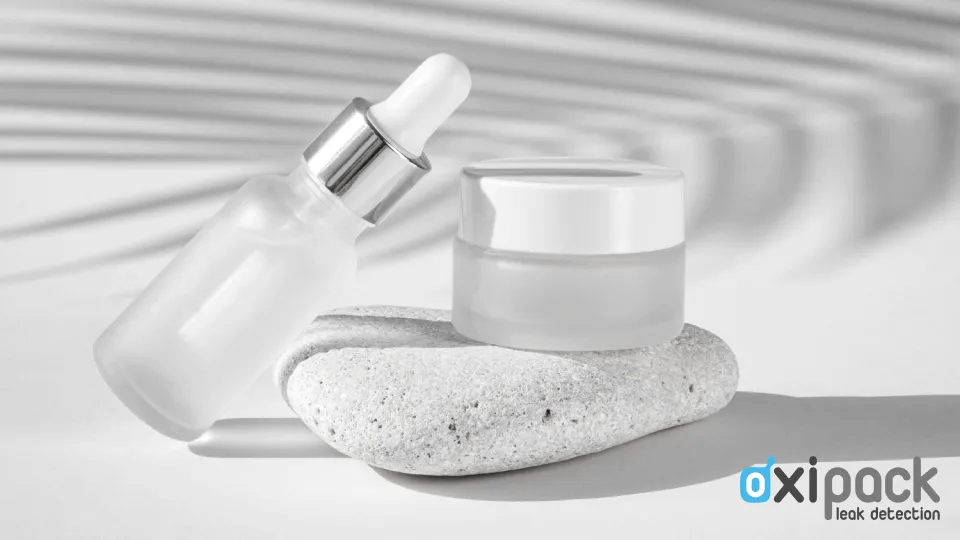
Zero Tolerance for Leaks: Next-Gen Detection for Eye Droppers and Dropper Jars
Eye droppers and dropper jars are essential for delivering precise medication dosages, particularly in ophthalmic and topical applications.
What is Modified Atmosphere Packaging and why is Leak Detection Important for MAP?
What is Modified Atmosphere Packaging and why is Leak Detection Important for MAP? A comprehensive guide to all your MAP questions answered